
With How to Use Market Research for Business Growth at the forefront, this paragraph opens a window to an amazing start and intrigue, inviting readers to embark on a storytelling journey filled with unexpected twists and insights.
Exploring the importance of market research, different types of methods, conducting research steps, analyzing data, and utilizing insights for business growth awaits in this comprehensive guide.
Importance of Market Research
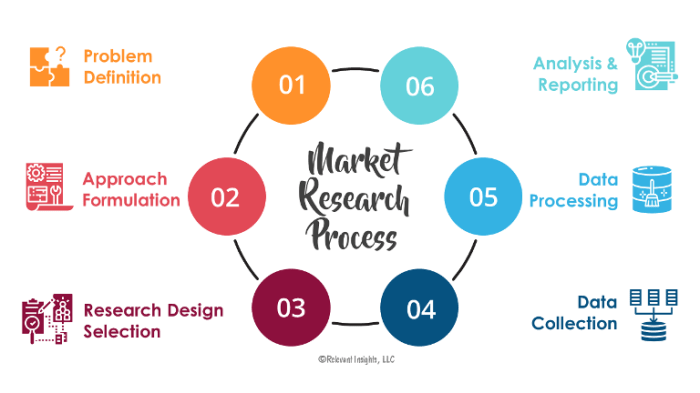
Market research plays a crucial role in the growth and success of businesses by providing valuable insights into market trends, customer behavior, and competitors. It helps businesses make informed decisions, develop effective marketing strategies, and identify new opportunities for growth.
Examples of Successful Businesses
- Apple: Through market research, Apple identified the demand for sleek and user-friendly technology products, leading to the development of iconic devices like the iPhone and MacBook.
- Amazon: Amazon leverages market research to constantly innovate and expand its product offerings, catering to diverse customer needs and preferences.
- Coca-Cola: By conducting market research, Coca-Cola stays ahead of changing consumer preferences and effectively markets its beverages globally.
Understanding Customer Needs and Preferences
Market research enables businesses to gain a deeper understanding of customer needs and preferences by analyzing buying patterns, feedback, and demographic data. This information helps businesses tailor their products, services, and marketing campaigns to meet the specific demands of their target audience.
Types of Market Research
Market research can be broadly classified into two main types: quantitative and qualitative research methods. Each method serves a different purpose and provides unique insights into consumer behavior and market trends.
Quantitative Market Research
Quantitative market research involves collecting numerical data and analyzing it to identify patterns, trends, and statistical relationships. This type of research uses structured surveys, questionnaires, and data analysis techniques to quantify consumer preferences, purchasing behavior, and market size. Quantitative research is useful when a business needs to measure market trends, assess customer satisfaction levels, or conduct large-scale market studies.
Qualitative Market Research
Qualitative market research focuses on exploring consumer opinions, attitudes, and motivations in-depth. This method uses open-ended questions, interviews, focus groups, and observations to gather rich, descriptive data about consumer behavior and preferences. Qualitative research provides insights into the emotional aspects of consumer decision-making, helping businesses understand the ‘why’ behind certain trends or behaviors. This type of research is valuable when a business wants to explore new product ideas, understand customer perceptions, or uncover emerging market trends.
Example Scenarios
- Quantitative Market Research: A retail chain wants to measure customer satisfaction levels across its various locations. They conduct a structured survey to collect feedback on service quality, product selection, and overall shopping experience.
- Qualitative Market Research: A cosmetics company is developing a new skincare line and wants to understand consumer perceptions of natural ingredients. They conduct focus groups to gather insights on consumer preferences, concerns, and purchasing motivations related to natural skincare products.
Conducting Market Research
Market research is a crucial step for any business looking to grow and succeed. It involves gathering and analyzing information about the market, competitors, and customers to make informed business decisions. Here are the steps involved in conducting market research:
Identifying the Target Market
To conduct effective market research, businesses must first identify their target market. This involves understanding the demographics, preferences, and behaviors of the consumers who are most likely to buy their products or services.
- Define the characteristics of your ideal customer, such as age, gender, income level, and location.
- Segment the market based on different criteria to target specific groups of consumers.
- Analyze the competition to identify gaps in the market that your business can fill.
Gathering Data
Once the target market is identified, businesses can gather data through various methods such as surveys, interviews, and observation.
- Surveys: Conduct online or in-person surveys to collect feedback from customers about their preferences, needs, and buying behavior.
- Interviews: Conduct one-on-one interviews with customers or industry experts to gain deeper insights into their motivations and pain points.
- Observation: Observe customer behavior in stores or online to understand how they interact with products and make purchasing decisions.
Analyzing Market Research Data
Once you have gathered market research data, the next crucial step is to analyze it effectively. This process involves interpreting findings to extract valuable insights that can drive business growth.
Interpreting Findings
- Identify trends and patterns in the data to understand consumer behavior and preferences.
- Look for correlations between different variables to uncover relationships that can impact your business.
- Compare data from different sources to validate findings and ensure accuracy.
Tools and Techniques for Data Analysis
- Utilize statistical analysis software like SPSS or Excel to analyze quantitative data.
- Conduct qualitative analysis through coding and thematic analysis to extract insights from open-ended responses.
- Use data visualization tools such as graphs, charts, and dashboards to present findings in a clear and concise manner.
Utilizing Market Research for Business Growth
Market research insights can be a valuable tool for businesses looking to grow and improve their products or services. By understanding customer needs, preferences, and market trends, companies can make informed decisions that drive business growth.
Improving Products or Services
One strategy to utilize market research for business growth is to gather feedback from customers through surveys, focus groups, or online reviews. By analyzing this data, businesses can identify areas for improvement in their products or services. For example, if customers consistently mention a certain feature they would like to see in a product, a company can use this insight to make enhancements that meet customer expectations and drive sales.
Identifying New Business Opportunities
Market research can also help businesses identify new opportunities for growth. By analyzing market trends, competitor strategies, and consumer behavior, companies can uncover untapped market segments or emerging trends. For instance, a clothing retailer conducting market research may discover a growing demand for sustainable fashion products, leading them to expand their product line to cater to environmentally conscious consumers.
Examples of Business Growth through Market Research
- Netflix: Through extensive market research, Netflix identified the shift towards streaming services and invested heavily in original content production. This strategy has propelled the company to become a dominant player in the entertainment industry.
- Apple: Apple’s success can be attributed in part to their use of market research to understand consumer preferences and develop innovative products that meet market demand. By continuously gathering feedback and analyzing market trends, Apple has been able to maintain a strong competitive edge and drive business growth.
Market Volatility and Research
Market volatility can have a significant impact on businesses, causing uncertainty and rapid changes in market conditions. This can lead to challenges in decision-making, forecasting, and overall business performance. In such volatile environments, businesses need to adapt quickly to survive and thrive.
Impact of Market Volatility
Market volatility can result in fluctuating demand, pricing instability, and unpredictable consumer behavior. This can make it difficult for businesses to plan effectively, manage resources, and stay competitive in the market. Moreover, sudden shifts in economic conditions or industry trends can catch businesses off guard, leading to potential losses and missed opportunities.
Role of Market Research
Market research plays a crucial role in helping businesses navigate market volatility. By conducting regular research and analysis, businesses can gain valuable insights into changing market dynamics, consumer preferences, and competitor strategies. This information allows businesses to make informed decisions, identify new opportunities, and mitigate risks in volatile markets.
- Monitor market trends: Stay updated on market trends, economic indicators, and industry developments to anticipate changes and plan accordingly.
- Understand consumer behavior: Conduct surveys, focus groups, and data analysis to understand how consumer preferences and buying patterns are evolving in volatile markets.
- Assess competition: Analyze competitor strategies, pricing models, and market positioning to identify competitive threats and opportunities for differentiation.
- Adapt quickly: Use real-time data and market feedback to adjust business strategies, product offerings, and marketing campaigns promptly in response to market volatility.
In conclusion, leveraging market research effectively can be a game-changer for businesses looking to expand and thrive in competitive landscapes. By understanding customer needs, identifying new opportunities, and adapting to market changes, success is within reach.
FAQ Resource
How can market research benefit business growth?
Market research provides valuable insights into customer needs, preferences, and market trends, enabling businesses to make informed decisions that drive growth.
What are the main types of market research methods?
Main types include quantitative (numerical data analysis) and qualitative (non-numerical data analysis) methods, each offering unique perspectives for businesses.
How can businesses effectively adapt to market volatility using research?
By conducting continuous market research, monitoring trends, and staying agile, businesses can anticipate market changes and adjust strategies proactively.


