Beginning with Market Volatility and Investor Behavior, the narrative unfolds in a compelling and distinctive manner, drawing readers into a story that promises to be both engaging and uniquely memorable.
Market volatility can have a significant impact on investor decisions, shaping trends and risk tolerance levels in the financial markets. Understanding how investors behave during volatile times is crucial for navigating uncertainties and making wise investment choices. This article delves into the intricate relationship between market volatility and investor behavior, shedding light on key factors and strategies to manage volatility effectively.
Market Volatility
Market volatility refers to the rapid and unpredictable changes in the price of financial instruments within a market. This volatility can impact investor behavior by creating uncertainty and fear, leading to emotional decision-making that may not be in line with long-term investment goals.
Factors Contributing to Market Volatility
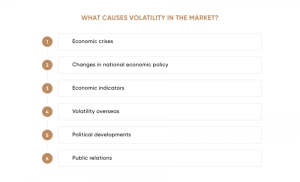
Market volatility can be influenced by a variety of factors, including economic indicators, geopolitical events, corporate earnings reports, interest rates, and market sentiment. These factors can cause prices to fluctuate rapidly as investors react to new information and adjust their positions accordingly.
Relationship between Market Volatility and Risk Tolerance
Market volatility is closely linked to risk tolerance, as investors with a low risk tolerance may be more likely to panic and sell their investments during periods of high volatility. On the other hand, investors with a higher risk tolerance may see market volatility as an opportunity to buy assets at a lower price, potentially leading to higher returns in the long run.
Investor Behavior during Market Volatility

Investor behavior plays a significant role in shaping market trends, especially during periods of volatility. Understanding common behavioral patterns can help investors navigate turbulent market conditions and make more informed decisions.
Impact of Fear and Greed
During market volatility, fear and greed often drive investor behavior. When prices are falling, fear can lead to panic selling, causing further declines. On the other hand, greed can drive investors to buy more aggressively during market rallies, potentially inflating asset bubbles.
Herd Mentality
One common behavioral pattern during market volatility is herd mentality, where investors tend to follow the actions of the crowd rather than making independent decisions. This can lead to exaggerated market movements and increased volatility.
Confirmation Bias
Investors often exhibit confirmation bias during market volatility, seeking out information that confirms their existing beliefs or biases. This can lead to overlooking critical information that may challenge their investment thesis.
Strategies for Navigating Market Volatility
To navigate market volatility without making hasty decisions, investors can consider strategies such as diversification, long-term investing, and maintaining a disciplined approach. By focusing on fundamentals rather than short-term market fluctuations, investors can better weather market volatility and achieve their financial goals.
Market Analysis
Market analysis plays a crucial role in helping investors understand trends and predict market behavior. By analyzing various factors affecting the market, investors can make informed decisions to optimize their investment strategies.
Importance of Market Analysis
Market analysis provides valuable insights into the overall market conditions, helping investors identify opportunities and risks. It involves studying various indicators, trends, and data to gauge market sentiment and potential movements. This information is essential for investors to adapt their strategies and make well-informed decisions.
- Technical Analysis: This method involves analyzing historical price movements and trading volume to predict future price trends. By studying charts and patterns, investors can identify potential entry and exit points for trades.
- Fundamental Analysis: Fundamental analysis focuses on evaluating the financial health and performance of companies to determine their intrinsic value. By examining factors such as earnings, revenue, and industry trends, investors can assess the true worth of a stock.
Examples of Market Analysis in Action
For example, technical analysis can help investors identify support and resistance levels in a stock’s price chart, indicating potential buying or selling opportunities. On the other hand, fundamental analysis can uncover undervalued stocks with strong growth potential based on financial metrics and industry outlook.
Market Research
Market research is a crucial component in understanding consumer preferences and market dynamics. By conducting thorough market research, investors can gather valuable insights into consumer behavior, trends, and demands, which in turn can help them make informed investment decisions.
Significance of Market Research
Market research plays a vital role in identifying potential investment opportunities. By analyzing market trends, consumer behavior, and competitor strategies, investors can pinpoint areas with high growth potential or undervalued assets. This information allows investors to capitalize on emerging opportunities and maximize their investment returns.
Role in Mitigating Risks
Market research also helps investors mitigate risks associated with market volatility. By staying informed about market trends and consumer sentiment, investors can anticipate market shifts and adjust their investment strategies accordingly. This proactive approach can help investors minimize losses during periods of market turbulence and navigate volatile market conditions more effectively.
As we conclude our exploration of Market Volatility and Investor Behavior, it becomes evident that staying informed and level-headed amidst market fluctuations is crucial for long-term investment success. By analyzing trends, understanding risk tolerance, and leveraging market research, investors can make informed decisions even in turbulent times. Embracing a strategic approach and learning from behavioral patterns can empower investors to thrive in a dynamic financial landscape.
FAQ Overview
How does market volatility impact investor behavior?
Market volatility can lead to increased anxiety among investors, causing them to make impulsive decisions based on short-term fluctuations rather than long-term goals.
What are some common behavioral patterns exhibited by investors during market volatility?
Investors tend to exhibit herd mentality, either following the crowd or panicking and selling off investments during volatile periods.
How can market analysis help investors during volatile market conditions?
Market analysis provides valuable insights into trends and patterns, enabling investors to make informed decisions based on data rather than emotions.