Navigating through market volatility requires a strategic approach. Discover how to make the most of your investments during uncertain times with the best strategies in hand.
Overview of Market Volatility
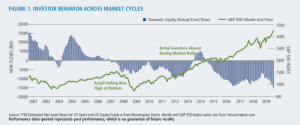
Market volatility refers to the fluctuation of prices in financial markets. It is a measure of the rate and extent of changes in prices of securities over a certain period. Understanding market volatility is crucial for investors as it affects the value of their investments and can lead to both risks and opportunities.
Recent Market Volatility Events
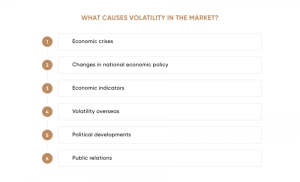
Recent events like the COVID-19 pandemic, geopolitical tensions, and economic indicators have caused significant market volatility. For example, the market crash in March 2020 due to the pandemic led to a sharp decline in stock prices globally. This impacted various investment portfolios, causing losses for many investors.
Impact on Investments
Market volatility can have a direct impact on investments, causing sudden price movements that may result in losses or gains for investors. For instance, during volatile periods, investors may experience increased uncertainty, higher risk levels, and potential liquidity issues. It is essential for investors to monitor market volatility closely and adjust their investment strategies accordingly to mitigate risks and capitalize on opportunities.
Importance of Diversification
When it comes to investment portfolios, diversification plays a crucial role in managing risk and maximizing returns. Diversification involves spreading your investments across different asset classes to reduce exposure to any single asset or sector.
Different Asset Classes for Diversification
- Stocks: Investing in a mix of large-cap, mid-cap, and small-cap stocks can help spread risk.
- Bonds: Including government, corporate, and municipal bonds in your portfolio can provide stability during market volatility.
- Real Estate: Investing in real estate properties or Real Estate Investment Trusts (REITs) can offer diversification benefits.
- Commodities: Adding commodities like gold, silver, or oil can help hedge against inflation and market fluctuations.
Mitigating Risks with Diversification
Diversification can help mitigate risks during turbulent market conditions by ensuring that losses in one investment are offset by gains in another. For example, if stocks are underperforming, bonds or real estate investments may hold steady or even increase in value, balancing out your overall portfolio returns.
Risk Management Strategies

When navigating through market volatility, it is crucial for investors to have effective risk management strategies in place. These strategies are designed to help minimize potential losses and protect the overall investment portfolio. Let’s explore some key risk management techniques that can be utilized during uncertain market conditions.
Stop-loss Orders
Stop-loss orders are an essential tool for managing risks in a volatile market. By setting a predetermined price at which a security will be automatically sold, investors can limit their losses and protect their capital. This proactive approach helps investors avoid emotional decision-making and provides a level of downside protection.
Hedging Techniques
Hedging involves offsetting potential losses in one investment by taking an opposite position in another asset. This technique can help investors mitigate risk exposure and protect their portfolio from adverse market movements. Whether through options, futures contracts, or other derivatives, hedging strategies provide a way to manage risk effectively.
Asset Allocation
Asset allocation plays a crucial role in risk management, especially during market volatility. By diversifying investments across different asset classes, such as stocks, bonds, and real estate, investors can spread risk and reduce the impact of market fluctuations on their overall portfolio. A well-balanced asset allocation strategy can help minimize potential losses and provide stability during turbulent market conditions.
Long-Term Investment Approaches
Investing with a long-term perspective can offer several advantages, especially during periods of market volatility. By focusing on long-term goals and staying invested over an extended period, investors can potentially benefit from market upswings and recoveries, even amidst short-term fluctuations.
Benefits of Long-Term Investment Approach
- Increased potential for higher returns: Long-term investments have historically shown the potential to deliver higher returns compared to short-term strategies.
- Reduced impact of market volatility: By staying invested for the long haul, investors can ride out market ups and downs without making knee-jerk reactions based on short-term fluctuations.
- Compound interest: Over time, the power of compounding can significantly boost the value of investments, leading to substantial growth in the long run.
Successful Long-Term Investment Strategies
Warren Buffett’s approach of buying and holding quality stocks for the long term has proven successful amidst market volatility.
Dollar-cost averaging, where investors consistently invest a fixed amount at regular intervals, regardless of market conditions, is another effective long-term strategy.
Importance of Patience and Discipline
- Patience allows investors to withstand short-term market fluctuations and focus on long-term goals without getting swayed by emotions.
- Discipline helps in sticking to the investment plan and avoiding impulsive decisions that could harm long-term returns.
Value Investing Opportunities
Value investing is a strategy that involves identifying undervalued assets in the market, typically trading below their intrinsic value. This approach focuses on investing in companies that are priced lower than their true worth, offering the potential for significant returns over the long term.
Tips for Identifying Undervalued Assets
- Look for companies with strong fundamentals, such as low debt levels, consistent earnings growth, and a competitive advantage in their industry.
- Consider the price-to-earnings ratio (P/E ratio) and price-to-book ratio (P/B ratio) to assess whether a stock is undervalued compared to its peers.
- Evaluate the company’s management team and their track record of creating value for shareholders.
Benefits of Value Investing During Market Volatility
- Value investing can provide a margin of safety during turbulent market conditions, as the focus is on buying assets with a significant discount to their intrinsic value.
- By investing in undervalued assets, you are potentially positioning yourself for substantial gains when the market corrects and the true value of the companies is recognized.
- This approach encourages a long-term perspective, which can help investors weather short-term market fluctuations and benefit from the compounding effect over time.
Market Research and Analysis
Market research is a crucial step in making informed investment decisions. By conducting thorough research, investors can gain valuable insights into market trends and potential opportunities, helping them navigate through market volatility with more confidence.
Importance of Market Research
Before making any investment decisions, it is essential to gather relevant information about the market. This includes analyzing economic indicators, industry trends, company performance, and other factors that may impact the market’s direction.
Analyzing Market Trends and Indicators
- Study historical price movements and patterns to identify potential trends.
- Monitor key economic indicators such as GDP growth, inflation rates, and interest rates to gauge the overall market sentiment.
- Use technical analysis tools like moving averages, MACD, and RSI to assess market momentum and potential reversal points.
Tools and Resources for Market Analysis
- Financial news websites and publications like Bloomberg, CNBC, and Reuters provide up-to-date market insights and analysis.
- Online trading platforms offer advanced charting tools and research reports to help investors make informed decisions.
- Financial databases like Bloomberg Terminal and FactSet provide access to comprehensive market data and analysis tools for in-depth research.
In conclusion, by implementing these investment strategies during market volatility, you can position yourself for long-term success and financial growth, even in the face of uncertainty.
FAQs
How can diversification help during market volatility?
Diversification involves spreading your investments across different asset classes to reduce overall risk exposure, making it a crucial strategy during turbulent market conditions.
What are some key risk management strategies for investors?
Investors can utilize stop-loss orders, hedge their positions, and allocate assets strategically to manage risks effectively during market volatility.
Why is market research important for investment decisions?
Conducting thorough market research allows investors to make informed decisions, analyze trends, and anticipate market volatility, leading to better outcomes.