When it comes to navigating the unpredictable waters of market volatility in investments, having a solid strategy is key. From understanding the factors that contribute to market fluctuations to implementing risk management techniques, this guide will equip you with the necessary tools to stay ahead in the game.
Learn how to make informed decisions, stay calm during turbulent times, and protect your investments from sudden downturns. Let’s dive in and explore the world of managing market volatility in investments.
Understanding Market Volatility
Market volatility in the context of investments refers to the rapid and significant changes in the prices of financial assets within a short period of time. This fluctuation can occur in various markets, such as stocks, bonds, commodities, and currencies, and can have a substantial impact on investment portfolios.
Factors Contributing to Market Volatility
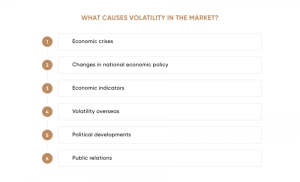
Market volatility can be influenced by a variety of factors, including economic indicators, geopolitical events, investor sentiment, and market liquidity. Sudden changes in interest rates, inflation, unemployment rates, and political instability can all contribute to increased volatility in the financial markets.
- Economic Indicators: Economic data releases, such as GDP growth, consumer spending, and manufacturing output, can impact market volatility as they provide insights into the health of the economy.
- Geopolitical Events: Events like wars, terrorist attacks, trade disputes, and political unrest can create uncertainty in the markets, leading to increased volatility.
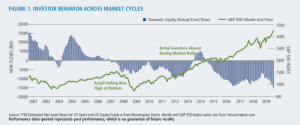
- Investor Sentiment: The collective mood of investors can also affect market volatility. Fear, greed, optimism, and pessimism can drive buying or selling behavior, causing prices to fluctuate rapidly.
- Market Liquidity: Low trading volumes and lack of liquidity in the market can exacerbate volatility, as it becomes easier for prices to move significantly in response to trades.
Impact of Market Volatility on Investment Portfolios
Market volatility can have both positive and negative impacts on investment portfolios, depending on the timing and direction of price movements. Here are some examples of how market volatility can affect investments:
- Increased Risk: Higher volatility typically means higher risk for investors, as prices can swing dramatically in either direction, leading to potential losses.
- Opportunities for Gain: On the other hand, market volatility can also present opportunities for investors to profit from price movements, especially for those who are skilled in market timing and risk management.
- Emotional Stress: Constant fluctuations in portfolio values can cause emotional stress for investors, leading to impulsive decision-making and potentially harmful actions, such as panic selling during a market downturn.
- Diversification Benefits: Maintaining a diversified portfolio can help mitigate the impact of market volatility, as different asset classes may respond differently to changing market conditions.
Strategies to Manage Market Volatility
In the world of investments, market volatility is a common occurrence that can cause uncertainty and stress for investors. However, there are strategies that can help manage and mitigate the impact of market volatility.Diversification is a key strategy in managing market volatility. By spreading your investments across different asset classes, industries, and geographic regions, you can reduce the risk of a significant loss if one sector or market experiences a downturn.
This way, the impact of market fluctuations on your overall portfolio is minimized.Asset allocation is another important strategy to consider. By determining the right mix of stocks, bonds, and other assets based on your risk tolerance and investment goals, you can create a diversified portfolio that can help cushion the effects of market volatility. For example, allocating a higher percentage of your portfolio to less volatile assets like bonds can help stabilize your overall returns during turbulent market conditions.To navigate through volatile market conditions, it’s essential to stay calm and avoid making impulsive decisions.
Emotions can lead to hasty choices that may not align with your long-term investment strategy. Instead, focus on the fundamentals of your investments, stick to your plan, and consider seeking advice from a financial advisor during turbulent times.
The Importance of Diversification
Diversification is a risk management strategy that involves spreading your investments across a variety of assets to reduce exposure to any single asset or risk. This can help protect your portfolio from the impact of market volatility and minimize potential losses. By diversifying your investments, you can achieve a more stable and consistent return over time.
Asset Allocation for Mitigating Market Volatility
Asset allocation is the process of dividing your investment portfolio among different asset classes such as stocks, bonds, and cash equivalents. By strategically allocating your assets based on your risk tolerance and investment goals, you can create a well-balanced portfolio that can help mitigate the effects of market volatility. A diversified asset allocation can provide a buffer against market fluctuations and optimize your overall investment performance.
Tips for Staying Calm During Volatile Markets
During periods of market volatility, it’s crucial to remain calm and avoid making emotional decisions that could harm your long-term investment strategy. Here are some tips to help you stay focused and disciplined:
- Avoid checking your portfolio too frequently as it can lead to unnecessary stress.
- Stick to your investment plan and avoid making sudden changes based on short-term market movements.
- Consider the long-term perspective and remember that volatility is a normal part of investing.
- Consult with a financial advisor to get a professional perspective and guidance on how to navigate through turbulent market conditions.
Conducting Market Research
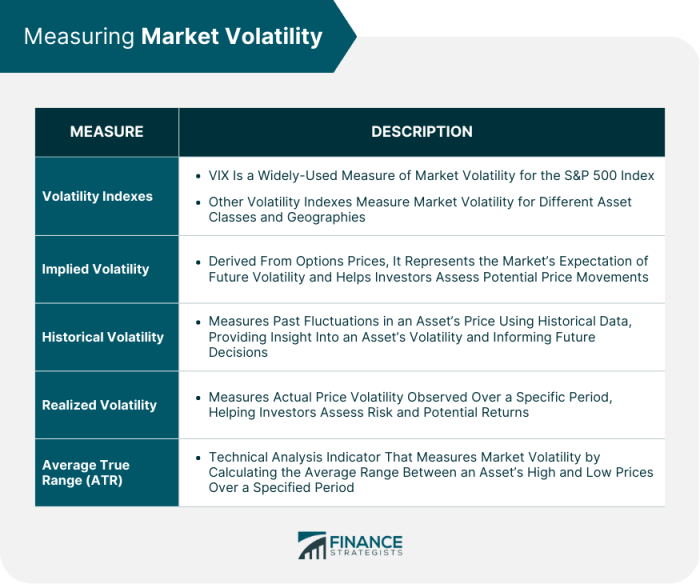
Market research is a crucial step in anticipating market volatility. By staying informed about market trends and news, investors can make more informed decisions and better manage their investments.
Importance of Staying Informed
Staying informed about market trends and news is essential for investors to understand the current state of the market and anticipate any potential changes. This information helps investors identify opportunities and risks, allowing them to adjust their investment strategies accordingly.
Tools for Market Research
- Financial News Websites: Websites like Bloomberg, CNBC, and Reuters provide up-to-date information on market trends, economic indicators, and company news.
- Stock Screeners: Tools like Finviz and Yahoo Finance allow investors to filter stocks based on specific criteria such as market capitalization, price-to-earnings ratio, and dividend yield.
- Analyst Reports: Research reports from investment banks and financial institutions offer insights into specific companies, industries, and market trends.
- Economic Calendars: Platforms like Investing.com and Trading Economics provide schedules of key economic events and indicators that can impact the market.
Risk Management Techniques
Risk management plays a crucial role in dealing with market volatility. It involves identifying, assessing, and prioritizing risks followed by coordinated application of resources to minimize, control, and monitor the impact of unforeseen events.
Setting Stop-Loss Orders
Setting stop-loss orders is a common risk management technique used by investors to limit potential losses during volatile market periods. By placing an order to sell a security once it reaches a certain price, investors can protect their investments from significant downturns. This automated approach helps to enforce discipline and prevent emotional decision-making in response to market fluctuations.
Hedging Strategies
Hedging strategies are another effective way to protect investments from market downturns. Hedging involves taking offsetting positions in related assets to reduce the risk of adverse price movements. For example, investors can use options contracts to hedge against potential losses in their stock portfolio. By diversifying their positions and utilizing hedging instruments, investors can mitigate the impact of market volatility on their overall portfolio.
In conclusion, effectively managing market volatility in investments is not just about reacting to market changes—it’s about proactively planning and staying informed. By applying the strategies and techniques discussed in this guide, you’ll be better equipped to navigate the ever-changing landscape of investment markets with confidence.
FAQs
How can diversification help manage market volatility?
Diversification involves spreading your investments across different asset classes to reduce risk. This can help cushion the impact of market volatility on your overall portfolio.
What are stop-loss orders and how do they work?
Stop-loss orders are instructions you set with your broker to automatically sell a security when it reaches a certain price. This helps limit your losses during volatile market periods.
Why is conducting market research important in managing market volatility?
Market research helps you anticipate potential market movements and make informed decisions. Staying informed about trends and news can give you a competitive edge in navigating volatile markets.